
Benefits of IT Networking
In today’s digital era, Business IT Networking has become the backbone of every successful organization. Whether you run a startup, a growing enterprise, or a multinational company, a reliable IT NETWORKING infrastructure ensures smooth communication, secure data transfer, and uninterrupted business operations. From connecting computers and servers to enabling cloud access and cybersecurity, IT Networking Services plays a critical role in modern businesses.
As organizations increasingly adopt cloud computing, hybrid work environments, and digital transformation strategies, investing in professional IT NETWORKING solutions has become more important than ever. A well-designed network improves productivity, minimizes downtime, strengthens security, and supports future business growth.
This comprehensive guide explains the fundamentals, components, benefits, and best practices of Enterprise IT Networking. while helping businesses understand why a robust networking infrastructure is essential for long-term success.
What is IT NETWORKING?
IT NETWORKING refers to the process of connecting computers, servers, storage devices, printers, IP phones, CCTV systems, and other digital devices to enable seamless communication and data sharing. The objective of IT NETWORKING is to ensure that users and systems can securely exchange information while maintaining high performance and reliability. Follow us on LinkedIn and Facebook
Modern IT NETWORKING includes wired and wireless technologies, cloud connectivity, network security, virtualization, and remote access solutions. Businesses depend on networking to support email communication, business applications, ERP systems, video conferencing, internet access, and cloud platforms.
A professionally designed network enables employees to collaborate efficiently while ensuring that business-critical data remains protected against cyber threats.
Why IT NETWORKING is Important for Businesses
Every modern business relies on IT NETWORKING to maintain operational efficiency. Without a stable network, organizations may experience communication failures, slow data access, application downtime, and security vulnerabilities.
Some major advantages of IT NETWORKING include:
- Faster communication across departments
- Secure file sharing and collaboration
- Reliable internet connectivity
- Centralized data management
- Improved employee productivity
- Enhanced cybersecurity
- Business continuity and disaster recovery
- Easy scalability for future expansion
An optimized networking environment also reduces maintenance costs and improves overall system performance, making it an essential investment for organizations of every size.
Essential Components of IT NETWORKING
A successful IT NETWORKING infrastructure consists of several interconnected components that work together to provide seamless connectivity.
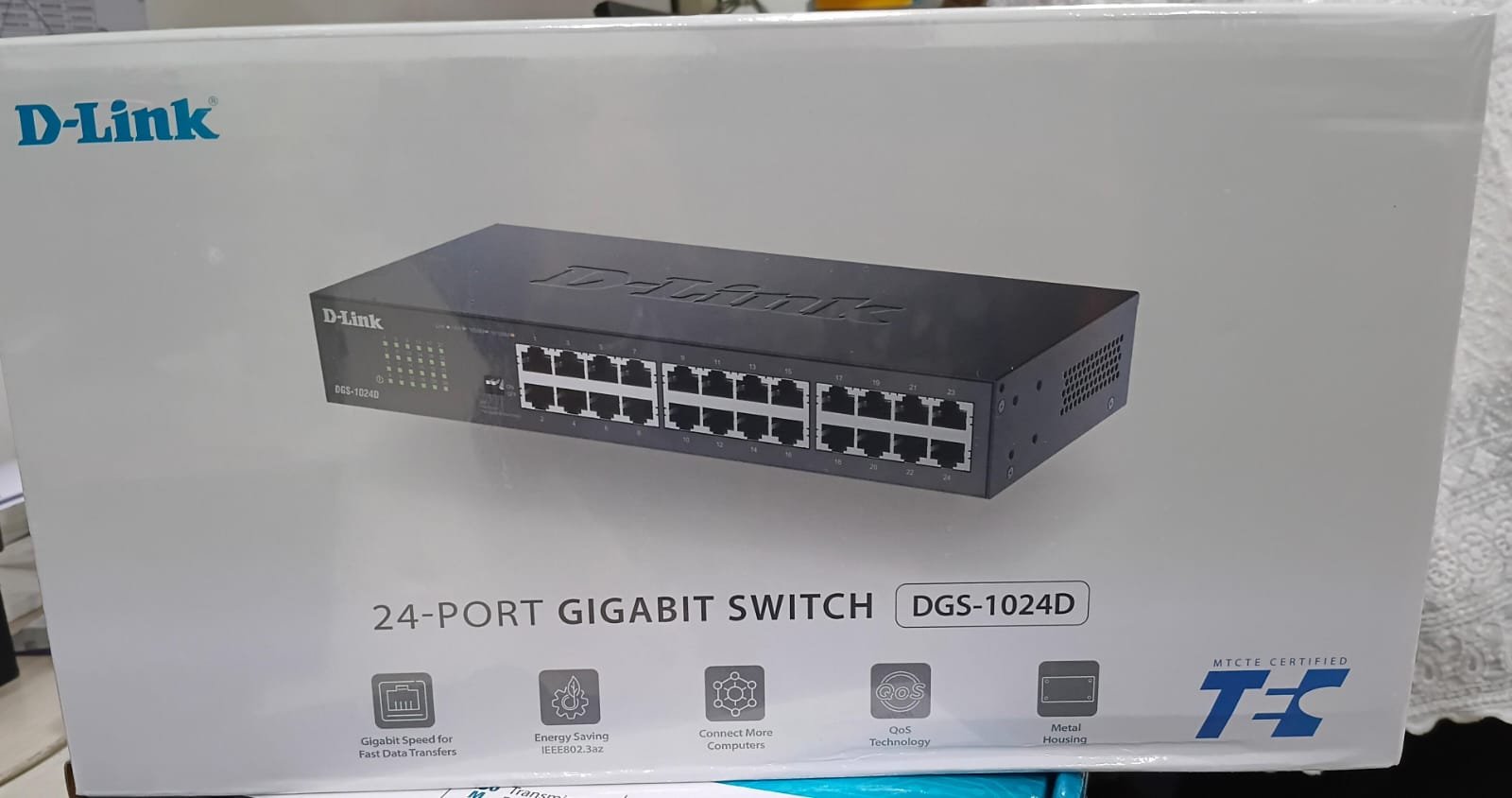
1. Network Switches
Switches connect multiple devices within a Local Area Network (LAN). They efficiently direct data traffic, improve speed, and reduce network congestion.
2. Routers
Routers connect different networks and manage internet traffic. They ensure efficient communication between local networks and external systems.

3. Firewalls
Firewalls protect the network from unauthorized access and cyber threats. They act as the first line of defense in network security.
4. Wireless Access Points
Wireless access points enable secure Wi-Fi connectivity for employees, guests, and business devices across office premises.
5. Structured Cabling
High-quality Cat6 or Cat6A cabling forms the physical foundation of IT NETWORKING, ensuring stable and high-speed data transmission.
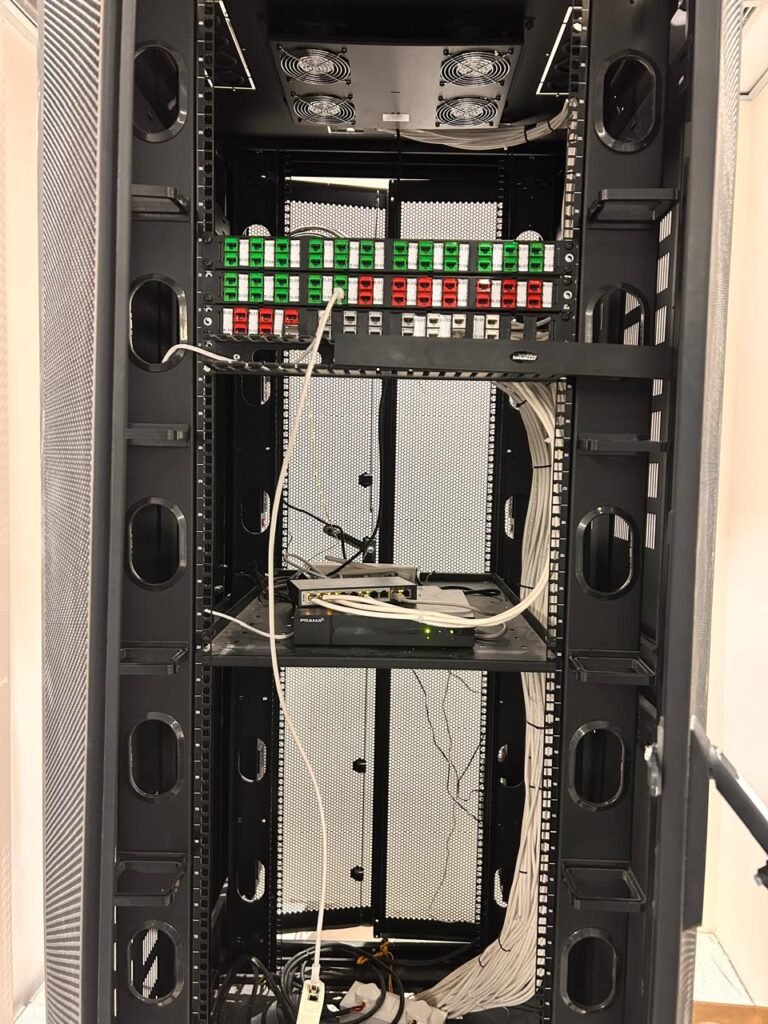
6. Network Racks
Racks organize networking equipment, improve cable management, simplify maintenance, and enhance airflow for better equipment performance.
Types of IT NETWORKING
Different organizations require different networking models depending on their size and operational requirements.
Local Area Network (LAN)
A LAN connects devices within a limited area such as an office building or campus. It offers high-speed connectivity and centralized resource sharing.
Wide Area Network (WAN)
WAN connects multiple office locations across cities or countries, enabling seamless communication between geographically distributed branches.
Wireless Network (WLAN)
Wireless networking provides mobility by allowing users to connect through Wi-Fi without physical cables.
Cloud Networking
Cloud-based networking allows businesses to securely access applications, storage, and services hosted on cloud platforms from anywhere.
Each type of IT NETWORKING serves specific business needs while ensuring flexibility, scalability, and secure communication.
Benefits of Professional IT NETWORKING Solutions
Investing in professional IT NETWORKING services provides long-term operational and financial benefits.
Enhanced Productivity
Employees can quickly access shared files, applications, and cloud services without delays, improving overall efficiency.
Improved Security
Modern networking includes advanced security measures such as firewalls, VPNs, endpoint protection, access control, and intrusion detection systems.
Better Collaboration
Teams can communicate through emails, VoIP, video conferencing, and collaborative software without interruption.
Scalability
Businesses can easily add new employees, devices, departments, or office locations without rebuilding the entire infrastructure.
Reduced Downtime
Proper network monitoring and preventive maintenance minimize unexpected failures and ensure business continuity.
Cost Savings
Efficient IT NETWORKING reduces operational costs by optimizing bandwidth usage, simplifying management, and lowering maintenance expenses.
Best Practices for IT NETWORKING
Building a secure and reliable network requires careful planning and implementation. Businesses should follow these best practices:
- Design a scalable network architecture.
- Use enterprise-grade networking equipment.
- Install structured cabling for better reliability.
- Regularly update firmware and security patches.
- Implement strong password policies.
- Configure secure firewalls.
- Enable network monitoring tools.
- Create regular data backups.
- Segment networks for enhanced security.
- Perform periodic network security assessments.
Following these practices helps organizations maintain a high-performing and secure networking environment.
Common Challenges in IT NETWORKING
Although modern networking technologies are highly advanced, organizations still face several challenges.
Network Downtime
Hardware failures, power outages, or configuration errors can disrupt business operations.
Cybersecurity Threats
Hackers constantly target business networks through ransomware, phishing attacks, malware, and unauthorized access attempts.
Bandwidth Limitations
Increasing cloud usage and video conferencing demand higher network bandwidth and better traffic management.
Poor Network Design
Improper planning often leads to bottlenecks, slow performance, and higher maintenance costs.
Device Management
Managing hundreds of connected devices requires centralized monitoring and automated management tools.
Professional IT NETWORKING services help businesses overcome these challenges through proactive monitoring, security management, and optimized infrastructure.
Emerging Trends in IT NETWORKING
Technology continues to reshape networking infrastructure across industries. Some emerging trends include:
- Software-Defined Networking (SDN)
- AI-powered network management
- Cloud-managed networking
- Zero Trust Network Security
- Wi-Fi 6 and Wi-Fi 7 technologies
- Edge Computing
- Internet of Things (IoT) connectivity
- Network Automation
- Secure Access Service Edge (SASE)
Organizations adopting these technologies gain improved security, higher efficiency, and better scalability.
Choosing the Right IT NETWORKING Partner
Selecting an experienced networking service provider is critical for long-term success. Businesses should evaluate providers based on:
- Industry experience
- Certified networking engineers
- Comprehensive support services
- Security expertise
- Quality networking products
- Structured cabling capabilities
- Annual Maintenance Contracts (AMC)
- Remote and on-site support
- Scalability of solutions
- Proven project portfolio
A trusted provider can design, implement, monitor, and maintain a networking infrastructure tailored to your business requirements.
Conclusion
As businesses continue their digital transformation journey, IT NETWORKING remains one of the most valuable investments for sustainable growth. A secure, scalable, and high-performance network supports communication, collaboration, cloud applications, cybersecurity, and operational efficiency.
Whether your organization needs structured cabling, enterprise Wi-Fi, server connectivity, firewall implementation, network security, or ongoing maintenance, professional IT NETWORKING solutions ensure reliable business operations and future-ready infrastructure.
By investing in modern IT NETWORKING, businesses can improve productivity, strengthen security, reduce downtime, and create a technology foundation capable of supporting future innovation and expansion. Choosing the right networking strategy today will help organizations remain competitive, efficient, and secure in the rapidly evolving digital world.